
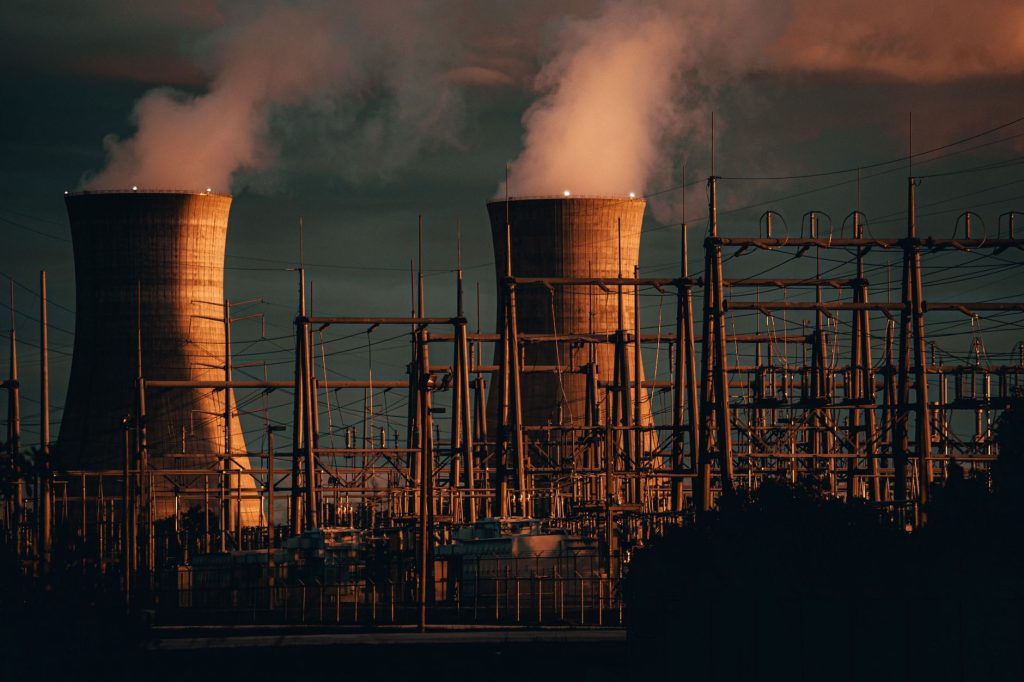
If you have been watching the global energy landscape lately, you know that things are moving at an absolute breakneck pace. While Western nations grapple with policy gridlock, aging reactor fleets, and prolonged construction delays, Beijing has quietly pulled off an energy miracle. A fresh analysis from the U.S. Energy Information Administration dropped a staggering metric: China’s nuclear power capacity has nearly doubled since 2016. For anyone trying to figure out what energy markets will look like over the next decade, this is a massive development. It isn’t just about electricity, either. This nuclear buildout is fundamentally restructuring global liquefied natural gas trade, changing domestic gas production, and sending geopolitical waves across the Pacific.
The Numbers Behind the Atomic Boom
Let us look at how quickly this expansion has unfolded. Between 2016 and 2024, the EIA notes that China grew its nuclear generation footprint by 76 percent, adding roughly 24 gigawatts of baseline power to its grid. That momentum did not stop there. Data from the International Atomic Energy Agency’s Power Reactor Information System shows that China tacked on another 1.1 gigawatts in 2025 and 2.2 gigawatts in the first five months of 2026 alone.
As of June 2026, China boasts 60 fully operational nuclear reactors spread across 18 distinct coastal sites, yielding a combined installed capacity of 58.7 gigawatts.
Total Operational Reactors: 60 units
Combined Installed Capacity: 58.7 Gigawatts (GW)
Reactors Currently Under Construction: 36 units (49% of global total)
Average Build Time in China: 6 years (Global average: 9 years)
Even more wild is what is sitting in the pipeline. China currently has 36 additional nuclear reactors actively under construction, which accounts for nearly half of the entire world’s current nuclear buildout. While the United States still holds the top crown for sheer operational capacity for now, China is on a clear trajectory to overtake the top spot by the early 2030s.
The Secret Sauce: Assembly-Line Project Management
How is Beijing building these massive, high-tech installations so fast? In most parts of the world, nuclear projects are treated like bespoke pieces of architectural art, each plant featuring a unique design that requires customized licensing and tailored engineering. China took a completely different path: they turned reactor building into an assembly line.
The country relies heavily on standardizing its pressurized water reactor designs and deploying them in massive batches of six to ten units at a time. This allows engineering crews to take advantage of huge economies of scale, applying lessons from the first reactor directly to the next one over.
Additionally, China has aggressively built out its own domestic nuclear supply chain, manufacturing key components internally to bypass foreign vendor bottlenecks. This assembly-line mentality shrinks their average build time to just six years, outperforming the global average by a full three years.
Flipping the Script on Global Gas and Fuel Markets
For a platform like Gas Price Tomorrow, the golden question is: how does this massive atomic surge impact the price, availability, and future of gas? To understand that, you have to look at the displacing effect of baseline electricity.
Historically, when China’s coastal manufacturing hubs needed power, they burned coal or imported massive amounts of liquefied natural gas to fire up peaking power stations. Because their new nuclear fleet is clustered right along the Pacific coastline, from Liaoning in the north down to Hainan in the south, these reactors sit exactly where energy demand is highest.
Every gigawatt of nuclear baseline power that goes online directly reduces the urgent need to burn natural gas for electricity. This shifting dynamic is poised to leave a lasting mark on the global natural gas architecture:
- Deflating the Global LNG Premium: China has spent the last several years as a dominant buyer in the spot LNG market, often competing directly with Europe for available cargoes. As nuclear power absorbs a larger share of China’s baseline industrial load, their emergency spot demand for natural gas will likely cool down. For utility operators and gas consumers worldwide, this structural shift could mean lower volatility and more predictable natural gas prices tomorrow.
- The Domestic Gas Pivot: Rather than burning gas to keep the lights on, China can increasingly divert its domestic gas production and pipeline imports toward high-value sectors like industrial manufacturing, petrochemical synthesis, and advanced plastics.
- A Catalyst for Clean Gas Innovation: Interestingly, the nuclear surge is pushing alternative gas tech forward. In early 2026, China prepared to commercially launch its Linglong-1 reactor, the world’s first commercial small modular reactor. Beyond electricity, these compact units are designed for industrial district heating and large-scale water desalination. This paves a clear runway for using clean nuclear heat to produce green hydrogen gas at a much lower cost than traditional electrolysis.
The Social, Political, and Environmental Balances
While the raw economics favor a more stable global gas market, the rapid expansion of China’s nuclear power capacity introduces an intricate web of social and environmental trade offs. On the positive side, substituting fossil fuels with atomic energy prevents billions of tons of carbon dioxide and localized air pollution from entering the atmosphere, a massive win for regional air quality and global climate targets.
However, scaling up nuclear operations this fast comes with inherent structural anxieties. Managing an unprecedented volume of spent radioactive fuel requires sophisticated, long-term geological repositories, a challenge that still generates intense regulatory and public debate globally.
There are political frictions to consider as well. As China becomes the dominant global player in building and financing nuclear infrastructure, it is increasingly exporting these standardized technologies to developing nations. This shifting influence could rewrite international energy alliances, creating deep dependencies on Chinese nuclear technology, maintenance pipelines, and fuel enrichment services for decades to come.
Looking Ahead to a Multi-Fuel Future
The reality of 2026 is that the era of a single dominant energy source is drawing to a close. China is pursuing an “all-of-the-above” strategy, pairng its massive nuclear buildout with equally historic investments in solar and wind infrastructure. For corporate operators, logistics managers, and everyday energy consumers, this atomic surge offers a vital lesson in structural resilience.
By scaling a domestic, reliable baseline power source, China is insulating its economy from the wild price spikes that regularly rock the oil and gas sectors. As these 36 reactors under construction gradually link up to the grid, the resulting drop in international gas market friction will play a defining role in shaping the cost of gas tomorrow.